Commercial Property Inspections: Hidden Issues That Can Disrupt Your Business
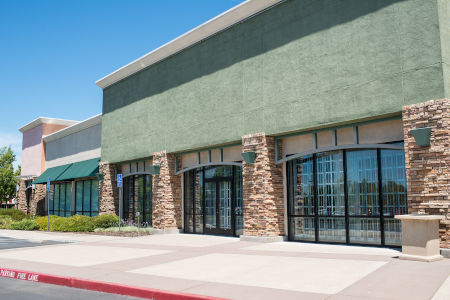
When you’re opening or relocating a business in Rockwall, TX, the building you choose can help you grow or quietly drain your resources. A thorough commercial property inspection catches problems that often stay out of sight during a quick walkthrough, so you avoid costly surprises after you move in.
North Texas weather, busy tenant turnover, and older mechanical systems all play a role in how buildings age from Downtown Rockwall to the I‑30 corridor near Lake Ray Hubbard. The right inspection gives you leverage to plan repairs, negotiate terms, and keep your team and customers safe.
Why Commercial Property Inspections Matter
Rockwall sees hot summers, stormy springs, and big temperature swings. That mix stresses flat roofs, rooftop HVAC, sealants, and parking lots. Shopping centers and business parks along Ridge Road and around Rockwall Technology Park often have multiple prior tenants, which means layers of past buildouts and patchwork fixes. Without a structured inspection, you inherit unknown risk.
For small business owners and investors, time is everything. A focused small business building inspection helps you forecast downtime, schedule improvements, and protect your cash flow before you sign a lease or close on a purchase.
Hidden Building Issues That Disrupt Operations
1) Roof Drainage And Flat Roof Membranes
On many retail and office buildings, ponding water around clogged scuppers and drains leads to leaks along parapet walls and above ceiling tiles. Deteriorated flashing at rooftop units is another common leak path. Even if the ceiling looks fine, moisture scanning and a methodical roof walk can reveal trapped water that shows up later as damaged inventory or ruined finishes. Roof leaks rarely stay small; they spread into insulation and framing, raising repair complexity and downtime.
2) HVAC Capacity, Distribution, And Ventilation
Undersized rooftop units or poor duct balance can create hot and cold zones that make customer areas uncomfortable and back offices stuffy. Rockwall’s summer heat exposes weak compressors and failing economizers quickly. A commercial property inspection checks temperature splits, visible duct conditions, drain pans, and ventilation basics to flag units nearing the end of their useful life.
3) Electrical Load And Panel Conditions
Older suites may have panels at capacity, double‑lugged breakers, or mystery circuits left from prior tenants. Restaurants, salons, and small manufacturers often need more power than an office user. Verifying panel labeling, conductor sizing, visible bonding, and outlet conditions reduces nuisance trips and prevents equipment damage.
4) Plumbing, Drainage, And Water Intrusion
Slow floor drains in restrooms, corroded supply lines in janitor closets, and poor grading at rear doors are frequent sources of leaks. After heavy rain off Lake Ray Hubbard, water can wick into walls behind baseboards. Infrared and moisture meters help locate hidden damp areas so you can address them before they trigger odors, damaged finishes, or mold concerns.
5) Foundation And Parking Lot Movement
Expansive clay soils in North Texas move with seasonal moisture, which shows up as stair‑step cracks in masonry, gaps at window frames, and trip hazards where sidewalks meet parking lots. While movement can be normal over time, pattern and magnitude matter. Documenting these conditions helps you plan maintenance and budget for concrete and sealant work that keeps customers safe.
6) Fire And Life Safety Basics
Blocked exit paths, missing emergency lights, expired portable extinguishers, and damaged door hardware are issues that can shut down a space during an inspection by authorities or your insurance carrier. An inspection notes visible concerns so you can tackle them early and keep your opening date on track.
7) Previous Repairs And Cosmetic Cover‑Ups
Fresh paint and new ceiling tiles can hide bigger problems. Inspectors look for color changes, patch lines, mismatched materials, and moisture staining around new work. If a repair looks recent but the underlying cause remains, you’ll likely pay for the same problem twice.
8) Environmental And Moisture Red Flags
Stale odors in back rooms, rust trails on exterior walls, and efflorescence on masonry often point to long‑term moisture. In storage and light industrial spaces, stained floors or unusual chemical smells deserve attention. While a home inspector isn’t a lab, documenting observable conditions helps you decide when to bring in specialists.
Local tip: After strong spring storms in Rockwall, small punctures from wind‑blown debris can let water enter flat roofs and travel far from the source. A quick patch may stop a drip, but a full rooftop assessment ensures you’re not missing a larger membrane failure.
How Issues Turn Into Business Interruptions
Hidden building flaws aren’t just repair line items. They interrupt business and weaken your customer experience. Here are common real‑world impacts:
- Water leaks force you to close areas, cover displays, or move staff offsite.
- HVAC failures spike energy use and lead to hot showrooms and frustrated customers.
- Electrical problems damage equipment and cause hiccups at checkout counters.
- Uneven sidewalks and poor lighting increase liability concerns for slips and trips.
Identifying these risks before a lease or purchase lets you budget, negotiate, or choose a better space that fits your operations.
Commercial Property Inspection For Retail And Office Spaces
Retail bays along Goliad Street, medical offices near major corridors, and professional suites across Rockwall share one trait: frequent tenant changes. Each buildout adds or alters walls, wiring, and HVAC distribution. A retail and office‑focused inspection documents the current setup, highlights safety and comfort gaps, and outlines practical next steps. If you’re considering a lease‑to‑own path, confirming roof age, mechanical condition, and drainage early protects your option investment.
Small Business Building Inspection: What You Actually Get
As a small business owner, you need clarity you can act on. Our reports are written for decision‑makers, not just technicians. They’re organized by priority, with photos and plain‑language explanations tied to specific locations so you can get bids and schedule work confidently.
- Clear summary of key risks that could interrupt sales or services.
- Photo‑rich documentation you can share with landlords, contractors, or partners.
- Action items grouped by urgency to help you plan phasing without losing momentum.
Lease‑To‑Own Inspection: Protect Your Option Period
Lease‑to‑own can be smart when you want to grow in Rockwall without committing to a purchase on day one. Still, the same systems that trip up buyers can derail a future closing. Verifying roof condition, HVAC capacity, visible plumbing, and electrical headroom now reduces negotiation drama later. Don’t sign a lease or purchase contract before an independent inspection confirms the building supports your business plan.
Our Process: What Rapid Home Inspections, PLLC Looks For
Every property is unique, but a consistent process keeps surprises to a minimum:
- Exterior and Site: Drainage patterns, grading at entries, sidewalks, parking lot movement, lighting, and visible wall cracks.
- Roof and Mechanical: Roof covering and flashings, rooftop units, curb conditions, condensate management, and ventilation basics.
- Electrical: Main and subpanels, labeling, observed bonding, representative outlets and lighting, and obvious safety defects.
- Plumbing and Interiors: Restrooms, break areas, supply and drain piping, water heaters, signs of prior water intrusion, and representative doors, windows, and finishes.
- Documentation: A clear, prioritized report with photos and descriptions aligned to areas of the building, delivered promptly so you can act within your timeline.
If something needs a deeper dive, we’ll note it plainly so you can bring in the right specialist at the right step. To talk through your specific site and schedule, call 214-433-4464.
Choosing A Local Partner You Can Trust
Working with a local team means we understand Rockwall’s climate, building styles, and common repair patterns. When you’re comparing options, look for clear communication, photo documentation, and fast turnaround that matches your contract dates. If you also need a residential perspective for mixed‑use or live‑work properties, a local home inspector brings crossover insight into materials and moisture behavior that helps protect the entire investment.
What To Do Before You Commit
A bit of preparation makes inspections smoother and more valuable:
- Coordinate Access: Ask for roof access and keys to mechanical rooms so nothing is off‑limits during the visit.
- Share Your Plans: If you need extra power for equipment or plan to add sinks or partitions, we’ll look closer at those systems and routes.
- Bring Your Questions: Share pain points from your current space so we can verify the new property won’t repeat them.
Commercial spaces move fast in Rockwall, but speed shouldn’t cost you clarity. The goal isn’t to nitpick. It’s to identify the few issues that could stop sales, frustrate customers, or force repeated service calls after you move in. With a clear inspection, you can phase repairs, budget for upgrades, and open with confidence.
Take The Next Step With Confidence
Ready to move forward without surprises? Schedule your inspection with Rapid Home Inspections, PLLC and get a clear, prioritized plan for your space. Call 214-433-4464 to talk through your property and timeline, and let’s protect your investment before you sign.